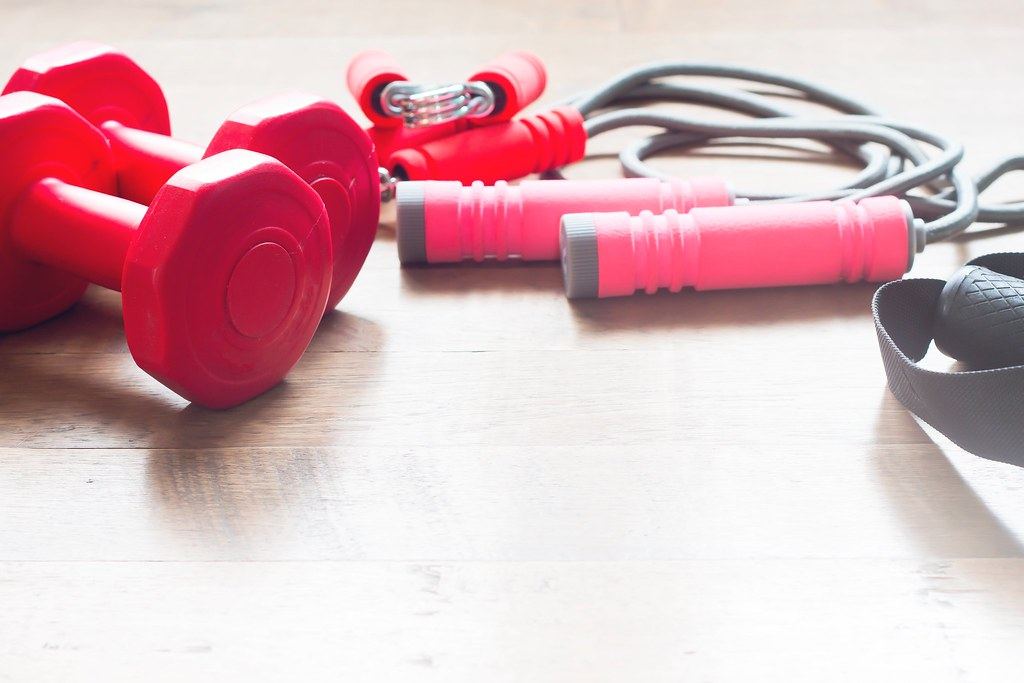
Starting an exercise routine is relatively easy; maintaining it consistently over months and years is where most people struggle. Building a genuinely sustainable exercise habit requires a different approach than the motivation-driven bursts that often characterize failed fitness attempts.
Choosing Activities You Actually Enjoy
Exercise routines built around activities you find genuinely enjoyable, rather than those you feel obligated to do because they are considered optimal, are far more likely to be sustained long term. An enjoyable workout you actually do consistently provides more benefit than a theoretically perfect routine you abandon after a few weeks.
Starting Smaller Than Feels Necessary
Ambitious initial exercise plans often fail because they are unsustainable alongside existing life commitments. Starting with a smaller, easily achievable routine, and gradually building from there as the habit solidifies, tends to produce more lasting results than an intense initial plan that quickly leads to burnout.
Removing Friction and Barriers
Small practical barriers, such as needing to travel far to a gym or not having workout clothes readily accessible, can meaningfully reduce the likelihood of following through on exercise intentions. Reducing these friction points, whether through convenient location, preparation, or simplified routines, makes consistency significantly easier to maintain.
Tracking Progress Beyond the Scale
Focusing exclusively on weight as a measure of exercise success can be discouraging, since many meaningful benefits of consistent exercise, such as improved energy, mood, strength, and endurance, are not reflected on a scale. Tracking a broader range of progress indicators helps sustain motivation even during periods when weight changes are minimal.